The right spare part comes down to three things: your car's exact VIN, a brand you can verify, and a fair comparison between OEM and aftermarket before you hand over your money. Nail those and you'll avoid the fitment headaches, returned packages, and safety risks that trip up most buyers. Whether you're swapping worn brake pads, chasing a failing alternator, or just doing routine maintenance, the correct component keeps the car running the way it should. This guide walks through the OEM versus aftermarket decision, how to pin down the right part, where to buy it, and which warning signs should make you walk away.
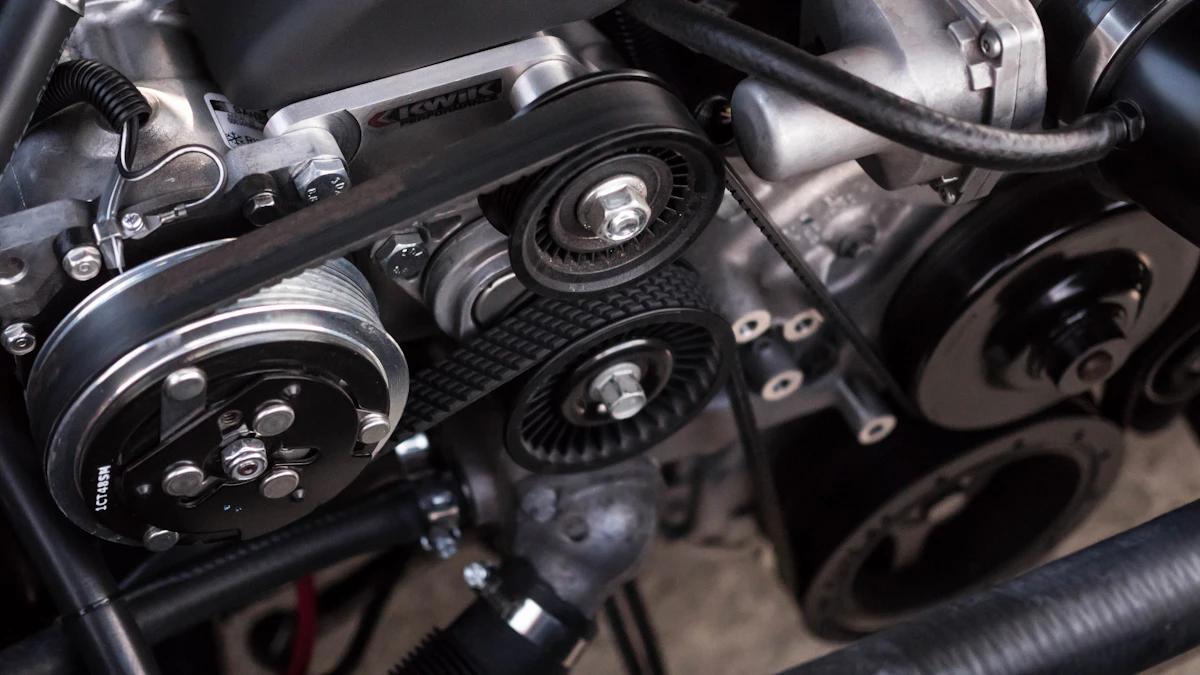
Find the exact part before you order — the right fit starts with the VIN
OEM vs Aftermarket Parts: What's Really Different?
OEM stands for Original Equipment Manufacturer — the same company whose parts were bolted on when your car rolled off the line. Those components are engineered to the factory's exact specifications, so fit is essentially guaranteed. Aftermarket parts come from third-party companies that build replacements for the same vehicles, and here's the catch: quality varies wildly depending on which brand you pick.
Brands like Bosch, Denso, and ACDelco put real money into research and development, and plenty of their parts meet or beat OEM specs while costing 20 to 50 percent less. The trick is checking reputation and reading reviews before you commit. A lot of independent mechanics I've talked to recommend established aftermarket brands for exactly that reason — comparable quality at a fraction of the price.
| Feature | OEM Parts | Aftermarket Parts |
|---|---|---|
| Fit | Exact fit guaranteed | Usually fine, may need minor adjustment |
| Quality | Identical to factory | Depends entirely on the brand |
| Price | 20-50% higher | Noticeably cheaper |
| Warranty | Backed by the carmaker | Varies by manufacturer |
| Availability | Dealer or special order | Shelf stock at most stores |
| Resale Value | Helps preserve it | No effect if the brand is reputable |
"Always buy parts with a warranty. A reputable brand will stand behind its product with at least a 12-month guarantee, and if a seller can't produce warranty information, that alone is reason to walk away." — Sarah Chen, Automotive Technician
How Do You Find the Right Part for Your Car?
Getting the exact right component takes some care. A mismatched part can drag down performance, create a safety hazard, or take other systems down with it. Work through these steps and you'll order the right piece the first time.
- Check your VIN — That 17-character string encodes your car's year, make, model, engine, and trim level. Look for it on the dashboard near the windshield or on the driver's side door jamb. Most online parts stores let you drop in the VIN and instantly filter out everything that won't fit.
- Consult your owner's manual — It lists recommended part numbers, fluid specs, and service intervals. When you're replacing filters, belts, or fluids, it's the fastest way to confirm you've got the right item.
- Use online parts finders — RockAuto, AutoZone, and O'Reilly all have VIN-based search tools with reviews, ratings, and detailed specs so you can compare options side by side.
- Cross-reference part numbers — Compare the OEM number against aftermarket equivalents using manufacturer cross-reference guides to find a compatible alternative.
- Ask a trusted mechanic — A good tech knows which brands hold up on your specific vehicle and which ones to steer clear of.
Where Should You Buy Auto Parts?
Where you shop shapes both the price and the quality you end up with. Each option has trade-offs, and the right call depends on your budget, how fast you need the part, and how comfortable you are working on the car yourself.
- Dealerships — Guaranteed OEM parts with factory support and staff trained on your brand. You'll pay a hefty premium, which makes sense for warranty work or newer luxury cars, but it's hard to justify for basic wear items.
- Auto parts stores — AutoZone, O'Reilly, and Advance Auto Parts stock a wide range and employ knowledgeable staff. Many throw in free battery testing, wiper installation, and code reading. The catch: stock can be thin for older vehicles.
- Online retailers — RockAuto, Amazon, and PartsGeek offer sharp pricing, huge catalogs, and honest customer reviews. You get brands you'd never find locally, but you can't inspect the part before buying and returns are a hassle.
- Junkyards — The go-to for body panels and parts that went out of production years ago, at a fraction of new prices. Inspect everything carefully and confirm the return policy, since the wear history is unknown.
Red Flags to Watch for When Buying Auto Parts
Counterfeit parts and shady sellers are a real problem in this market. Keep an eye out for these warning signs:
- Prices far below market value with no explanation — that's usually counterfeit or cut-rate material
- Missing part numbers or compatibility specs — a legitimate part always lists them
- No warranty or return policy — honest manufacturers back their products
- Shoddy packaging, misspelled branding, or blurry logos — classic counterfeit tell-tales
- A seller who won't share specs or the country of manufacture — move on
- No track record, no reviews, no established business history — skip it
"Counterfeit brake pads and electrical components are especially dangerous. Always buy safety-critical parts from an authorized retailer or straight from the manufacturer." — James Rivera, ASE Certified Mechanic
What Goes When: A Parts Replacement Schedule
Staying on schedule keeps the car reliable and safe. Here are the recommended intervals for the most common maintenance items:
| Part | Replace Every | Signs of Wear |
|---|---|---|
| Oil filter | 5,000-7,500 mi | Dirty oil, engine noise |
| Air filter | 15,000-30,000 mi | Sluggish acceleration, odd sounds |
| Brake pads | 25,000-50,000 mi | Squealing, grinding, longer stops |
| Battery | 3-5 years | Slow crank, dim headlights, corrosion |
| Spark plugs | 30,000-100,000 mi | Rough idle, misfires, worse fuel economy |
| Timing belt | 60,000-100,000 mi | Ticking noise, oil seeping near the belt |
| Cabin air filter | 15,000-25,000 mi | Weak airflow, musty smell |
DIY or Professional Installation: How Do You Decide?
Whether you tackle a job yourself or hand it to a shop comes down to your skill level, the tools you own, and how complicated the repair actually is.
Parts suitable for DIY: Air filters, wiper blades, batteries, light bulbs, and engine oil changes with proper disposal. These need minimal tools, and the downside if you mess up is small.
Professional recommended: Brake pads and rotors, suspension components, timing belts, electrical repairs, and transmission work. These call for specialized equipment and real expertise. A mechanic also inspects the surrounding parts, catches hidden problems early, and backs the work with a labor warranty.
Frequently Asked Questions
Are aftermarket auto parts safe to use on my vehicle?
They can be, provided you stick with reputable names. Brands like Bosch, Denso, and ACDelco build aftermarket parts that meet or beat OEM specifications, so do your homework, read reviews, and confirm the part is made for your exact year, make, and model. Skip the cheapest listings — that's usually where inferior materials show up.
How do I verify that a replacement part will fit my car?
Feed your 17-character VIN into the retailer's search tool before you do anything else. It pins down your year, make, model, engine, and trim, and most stores filter results to match. You can also cross-reference the OEM part number with aftermarket equivalents using a manufacturer lookup.
What is the difference between economy, standard, and premium aftermarket parts?
Economy parts are built from basic materials at the lowest price — fine for low-stakes routine replacements. Premium parts use higher-grade materials and carry longer warranties, sometimes rivaling OEM quality. For anything safety-related, skip economy and go standard or premium.
Can I mix OEM and aftermarket parts on the same vehicle?
Sure, plenty of people do it. Use OEM for critical engine and drivetrain components and quality aftermarket for the low-stress stuff like air filters, wiper blades, and cosmetic trim. You keep the important systems factory-spec while saving money where it's safe to.
Related Guides
Struggling with a lost key or a stuck lock? Check out our Auto Locksmiths Guide. Tire shopping next? Our Pirelli Tires Guide has you covered.
Conclusion
Choosing the right parts protects your car, your passengers, and your wallet. Confirm compatibility with your VIN, weigh OEM against aftermarket options from brands you can trust, and buy only from sellers who offer clear warranties and return policies. Paying a little more for quality up front beats replacing a cheap part twice — and it keeps the repairs from turning into repeat visits.