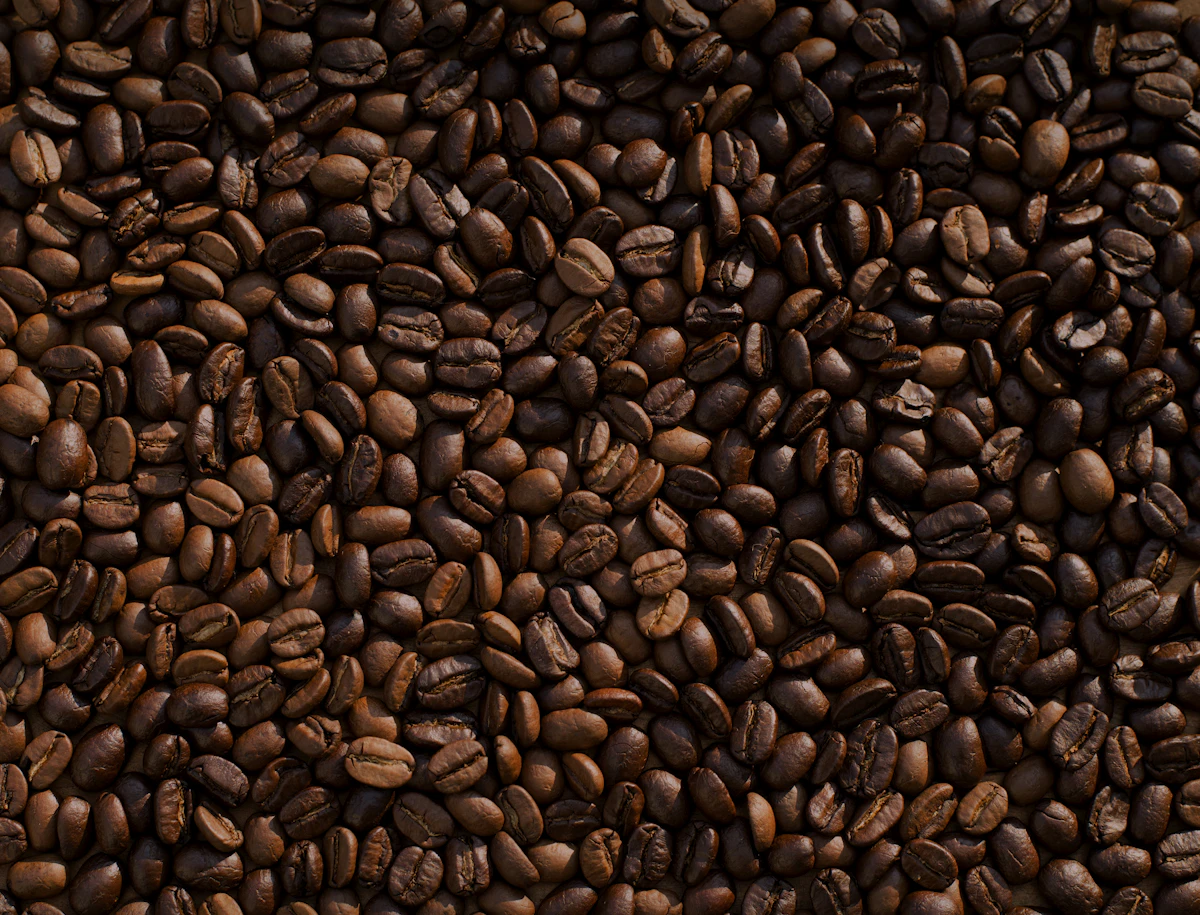
A bean to cup coffee machine is an all-in-one appliance that grinds whole beans on demand and brews them into espresso, coffee, or milk drinks in about a minute — and the reason people pay for one is freshness, since pre-ground coffee starts losing its aromatics within minutes of grinding. Because the grinder and brewer live in the same box, you skip the stale bags on the shelf and pull shots from beans that were whole seconds earlier. This guide covers how these machines work, why grinding on demand matters so much, and which models give you the most for the money.
Inside a Bean to Cup Machine
A bean to cup machine does two jobs in sequence — grinding then brewing — and both have to be done right for the cup to come out well. Understanding the process makes your settings and equipment choices much easier.
The Grinding Process
At the heart of every bean to cup machine sits a burr grinder — a pair of abrasive surfaces that crush beans into uniform particles. Blade grinders chop beans into uneven fragments of mixed sizes; burr grinders produce consistent particle sizes that extract evenly during brewing. Most machines use flat or conical steel burrs spinning at controlled speeds, which limits the heat that can degrade the volatile compounds behind coffee's flavor. Grind size is adjustable via a dial or digital interface, letting you fine-tune from fine (espresso) through medium (drip) to coarse (French press).
The Brewing Process
Once ground, the coffee drops into the brewing group — a compact, pressurized chamber where hot water is forced through the grounds at precise temperatures and pressures. Most machines run between 9 and 19 bars of pressure; higher pressure means richer crema and more concentrated espresso. Water temperature typically holds between 195°F and 205°F (90°C to 96°C), the range the Specialty Coffee Association identifies for maximum flavor extraction. The whole grind-to-brew cycle takes about 30 to 60 seconds depending on the drink.
Milk Integration
Many bean to cup machines include a milk system that froths, steams, and dispenses milk straight into your cup. Automatic frothers mix steam and air to create microfoam — the dense, velvety layer that tops lattes and cappuccinos. Some models draw milk from a dedicated carafe, others use a hose that dips into your own milk container. The most advanced machines let you program milk temperature and foam density to your taste.
The Real Payoff of Grinding on Demand
The science is stark. Coffee starts losing its aromatic volatile compounds to oxidation and evaporation within 15 minutes of grinding, and the pre-ground coffee in a bag has typically sat exposed to air for days or weeks — losing up to 60% of its aromatic potential before you even open it. A bean to cup machine grinds only what you need, capturing those compounds at their peak.
Freshly ground coffee also brews a more complex, balanced cup. The uniform particle size from a quality burr grinder means even extraction, avoiding the bitter over-extraction you get when fine particles over-brew alongside coarse ones. The result is a cleaner, more nuanced flavor that shows the origin of your beans — fruity notes from Ethiopian Yirgacheffe, chocolate undertones from Colombian Supremo, or earthy complexity from Sumatran Mandheling.
"Grinding at home means you taste the bean at its best moment, full stop. No bag of pre-ground, however cleverly packaged, comes close to the intensity and clarity you get from a fresh grind." — Marcus Hoffmann, Master Roaster
Top Bean to Cup Machines, Compared
| Model | Grinder Type | Pressure | Milk System | Price Range |
|---|---|---|---|---|
| De'Longhi Magnifica Evo | Conical burr, 13 settings | 15 bar | Automatic milk carafe | $500 – $700 |
| Philips 3200 Series | Ceramic burr, 12 settings | 15 bar | Milk wand (manual) | $600 – $800 |
| Jura E6 | P.A.G.2+ grinder | 15 bar | Cool Control milk system | $1,200 – $1,600 |
| Sage Barista Express | Conical burr, 18 settings | 15 bar | Steam wand (manual) | $700 – $900 |
| De'Longhi Dinamica Plus | Steel burr, adjustable | 19 bar | LattCrema automatic | $900 – $1,200 |
What to Consider Before You Commit
Which machine is right depends on a handful of personal factors that decide which features actually matter:
- Daily consumption: How much you drink. Four-plus cups a day argues for a machine with a bigger water tank (at least 60 oz) and a larger bean hopper so you're not refilling constantly.
- Milk drinks vs black coffee: What you actually order. Mostly espresso or black coffee? Skip the milk system and save money. Daily lattes and cappuccinos? Prioritize an automatic frother.
- Counter space: How much counter you have. Bean to cup machines run bigger than pod machines, so measure first and consider models with removable tanks and hoppers for easier placement.
- Maintenance tolerance: How much upkeep you'll tolerate. These machines need more cleaning than pod units. If you want minimal fuss, pick a model with auto-cleaning programs and dishwasher-safe parts.
- Budget and cost per cup: Upfront cost versus cost per cup. The sticker price is higher than pods, but the per-cup cost is far lower — a $500 machine commonly pays for itself within 6-12 months compared to pod consumption.
Dialing In Your Grind
Even the best machine can't rescue a poorly calibrated grind. Work through these steps to get your settings right:
- Start with the manufacturer's recommendation: Most machines ship with a default grind setting per drink type — use it as a baseline and adjust from taste.
- Understand extraction indicators: Learn what your cup is telling you. Bitter or astringent means over-extraction — grind coarser. Sour, watery, or thin means under-extraction — grind finer.
- Adjust one variable at a time: Change one thing per cycle. Altering only the grind or only the dose makes it obvious which change actually helped.
- Account for bean freshness: Remember that fresh beans behave differently. Beans within 2-14 days of roast usually want a slightly coarser grind, since trapped CO2 adds pressure during extraction.
- Clean the grinder regularly: Clean the grinder monthly. Oils build up in the burrs, throwing off consistency and adding rancid flavors. Run grinder cleaning pellets through on a regular schedule.
Related Guides
Deciding between a bean grinder and a pod brewer? The Krups Coffee Machines Guide covers espresso makers and grinders, the Nescafe Coffee Machine Guide lays out the pod ecosystem, and our Kochfelder Cookware Guide handles the cookware side of the kitchen.
Frequently Asked Questions
So what exactly is a bean to cup coffee machine?
It's an automated appliance that grinds whole coffee beans on demand and brews them into coffee, espresso, or milk-based drinks. A burr grinder and brewing unit share one machine, so you get freshly ground coffee with very little manual work.
Bean to cup vs pods — which is better?
For freshness and flavor, yes — beans are ground moments before brewing. You also create less waste and a lower cost per cup over time. Pods win on convenience and less maintenance. It comes down to whether you value freshness and control or speed and simplicity.
How much maintenance do bean to cup machines need?
Expect to rinse the brew group and milk system daily, do a deeper clean weekly, and descale monthly. Modern models have automatic cleaning programs that simplify this, and the grinder needs periodic adjustment and cleaning to stay consistent.
What's the best grind setting for espresso?
A fine setting — usually 1-3 on most machines — gives the optimal extraction. The grind should feel like powdered sugar between your fingers. Bitter taste? Go slightly coarser. Sour or watery? Go finer.